Küratoryal çerçeve ve Türkiye Haritası
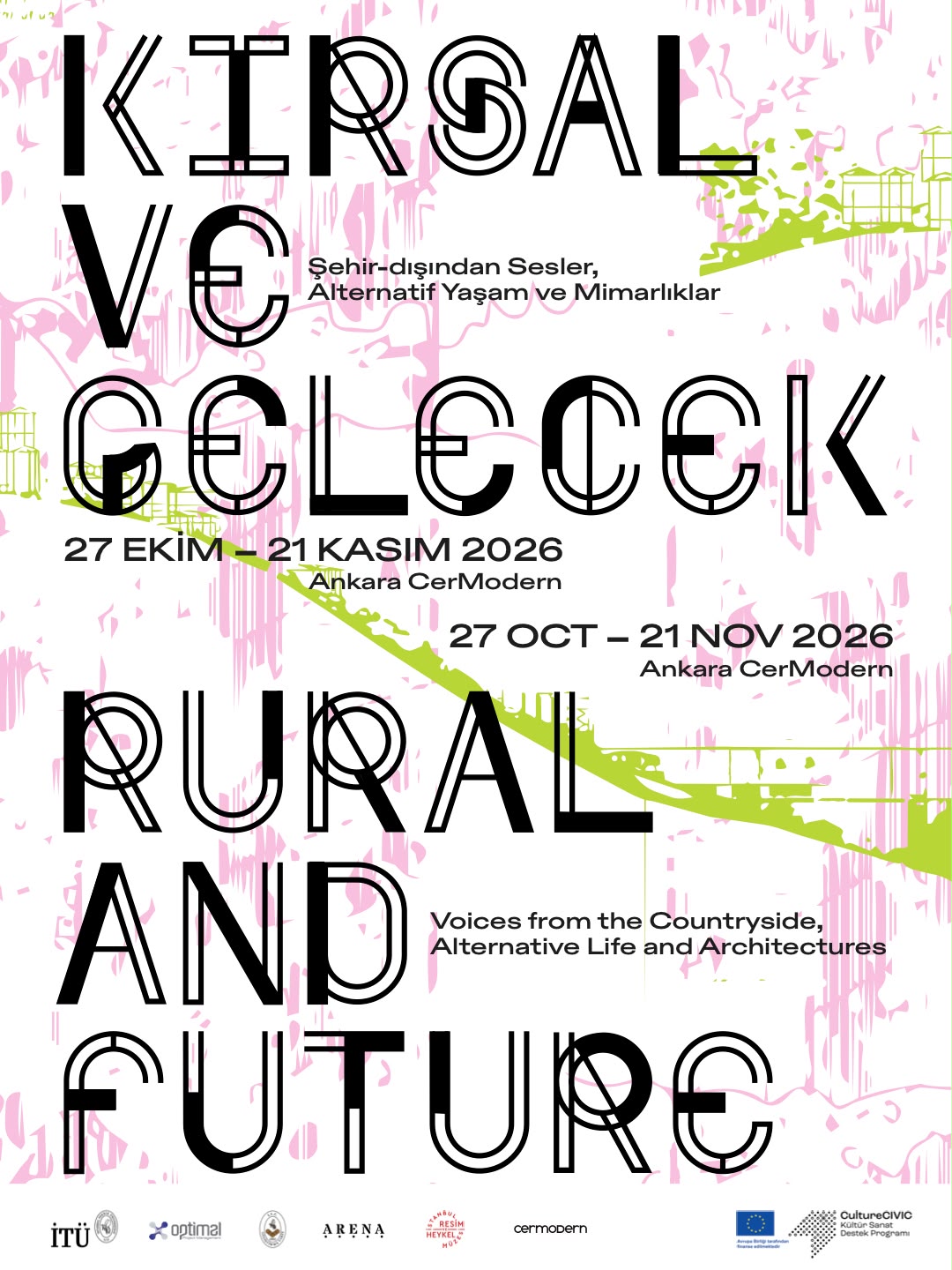
Kırsal açık ufku ile bize umutlu bir gelecek için yeni bakışlar ortaya koymak, keşifler yapmak, projeler geliştirmek üzere bir fırsat ve gündem sunuyor. Bu imkân kırsalın hayal gücü, düşünce ve deneyime yer açan konumuyla birlikte doğal ve kültürel oluşumlar arasındaki yaratıcı, alternatif sağlayıcı potansiyelinden kaynaklanıyor. Bu konumuyla kırsal, “insan ve insan olmayan tüm canlı ve cansız varlıklar için yeni ortak alan” olarak ilan ediliyor ve son iki yüzyılın birincil yaşam alanı olarak şekillenen kentin yanı sıra ‘yeni’ bir yaşam alanı olarak gündeme taşınıyor. Dünyanın ihtiyacı olan ‘yeni’ vizyonların ‘kırsaldan doğru’ bir bakışla kurulması gereğini işaret ediyor. Bu bakış, çevreyi kara-su-atmosfer, şehir-çeper-şehir dışı, insan-insan dışı, canlı-cansız, doğal-inşa edilmiş, ekolojik-teknolojik gibi ayrımlara gitmeden; yaşamı, onun zemin ve zamanını ilişkisel, içeriden ve bir gelecek düşüncesiyle, arzu edilen dünyaları bu bakışa dahil ederek ele almayı öne çekiyor.
Bu çerçevedeki, Kırsal ve Gelecek: Şehir-dışından Sesler — Alternatif Yaşam ve Mimarlıklar Projesinin amacı, kırsal coğrafyaları mimarlık, tasarım ve proje geliştirmenin olanaklarıyla yeniden okuyarak ufuk açıcı program, proje ve modeller geliştirmektir. Proje, bunun için ‘sınır boyları’ ve ‘gelecek düşüncesi’ hatlarını bir araya getiriyor. Kırsal ve Gelecek kavramları bunun için yan yana geliyor. Kırsal burada, umutları ile birlikte kritik hatları işaret ederken gelecek düşüncesi bugüne çağrılacak oluşumların yaratıcı imgeleme dayalı tasarım biçimlerini, bunun yol ve yöntemlerini işaret ediyor. Stüdyonun pozisyonunu tarif ederken sıralanan mottolar ile yapılan da böyle bir çağrı: • Tasarlamak sınır-boylarını tasarlamaktır. • Ne kadar çok temsil edersen o kadar çok tasarlarsın. • Öngörüye karşı hayal gücü. • Arzu ettiğin geleceği bugüne çağır ve inşa et.
Kırsal ve Gelecek Projesi kapsamında, bu bakışla, açtıkları olasılıklar ufku ile Anadolu’nun sekiz kırsal bölgesinde —Şile, Bandırma, Menderes Havzası (Sarayköy–Buharkent–Buldan), Harran Ovası, Çoruh Havzası (Borçka–Yusufeli–Şavşat), Toros Dağları (Mut–Silifke–Gülnar), Yukarı Fırat Havzası (Kemaliye–Ovacık–Keban Barajı/Pertek) ve Van Gölü Havzası (Tatvan–Edremit–Erciş)— çalışıldı ve projeler üretildi.
İsmini ve içeriğini, 2020-2024 yılları arasında İTÜ Mimarlık Fakültesi, Mimarlık Bölümünde verilen Architectural Design Project 6-7, “Rural & Future: Voices from the Countryside — Alternative Life and Architectures” başlıklı stüdyodan alan Kırsal ve Gelecek Sergisi üç parçada kurgulandı: Bakış — Kırsal ve Gelecek; Şehir-dışından Sesler — Kırsal Coğrafyalar; Projeksiyonlar — Alternatif Yaşam ve Mimarlıklar. Bu üç parçada, mevcut stüdyo üretimlerinin gözden geçirilmiş bir serisi ve yeni üretimlere yer veriliyor.
—---
With its open horizon, the rural offers us an opportunity and an agenda for putting forward new perspectives, making discoveries and developing projects toward a hopeful future. This possibility arises from the rural’s capacity to make room for imagination, thought and experience, together with its creative potential for generating alternatives between natural and cultural formations. From this position, the rural is declared a “new common ground for all human and non-human, living and non-living beings” and is brought to the fore as a ‘new’ habitat alongside the city, which has taken shape as the primary habitat of the last two centuries. It points to the need for the ‘new’ visions that the world requires to be constructed through a perspective ‘from the rural’. This perspective foregrounds an understanding of the environment without resorting to divisions such as land-water-atmosphere, city-periphery-countryside, human-non-human, living-non-living, natural-built or ecological-technological. Instead, it approaches life, its ground and its time relationally, from within and through a consideration of the future, incorporating desired worlds into this perspective.
Within this framework, the aim of the Rural and Future: Voices from the Countryside — Alternative Life and Architectures Project is to develop horizon-expanding programmes, projects and models by rereading rural geographies through the possibilities of architecture, design and project development. To do so, the project brings together the trajectories of ‘border-lines’ and ‘thinking the future’. The concepts of Rural and Future are brought side by side for this reason. Here, while the rural points to critical lines together with its hopes, thinking the future refers to forms of design based on creative imagination for formations to be called into the present, as well as to the paths and methods through which this may be achieved. The mottos articulated in defining the position of the studio make precisely such a call: • To design is to design border-lines. • The more you represent, the more you design. • Imagination versus prediction. • Call your desired future into the present and construct it.
Within the scope of the Rural and Future Project, and through this perspective, eight rural regions of Anatolia were studied for the horizons of possibility they open up, and projects were developed in each: Şile, Bandırma, the Menderes Basin (Sarayköy–Buharkent–Buldan), the Harran Plain, the Çoruh Basin (Borçka–Yusufeli–Şavşat), the Taurus Mountains (Mut–Silifke–Gülnar), the Upper Euphrates Basin (Kemaliye–Ovacık–Keban Dam/Pertek) and the Lake Van Basin (Tatvan–Edremit–Erciş).
Taking its name and content from the Architectural Design Project 6-7, “Rural & Future: Voices from the Countryside — Alternative Life and Architectures” studio conducted at the Department of Architecture, Faculty of Architecture, Istanbul Technical University between 2020 and 2024, the Rural and Future Exhibition is structured in three parts: Perspective — Rural and Future; Voices from the Countryside — Rural Geographies; Projections — Alternative Life and Architectures. Across these three parts, the exhibition presents a revised selection of existing studio works alongside newly produced material.
Sergi Küratörleri
Exhibition Curators
Ayşe Şentürer
Yeşim Armağan